THE AI ADVANTAGE Issue No. 19
A look at how we're actually using AI at K+C creative
This Week In AI: We Finally Opened The Junk Drawer
Every business has one. That drawer where you shove the things you'll deal with later, and later becomes never, and eventually you're a little afraid to open it because you know it's a mess in there.
Our junk drawer is our shop, or lack thereof.
We have a shop with offers in there, but none are the ones we really want to be promoting. Some are outdated, and we have a lot that we have created since creating the last shop that are nowhere to be found. And we knew that, sort of, the way you know there's a charger in the drawer that doesn't go to anything anymore, but you think, well, someone at some point may need this...
But we want to be more intentional. We don't want to keep things just to keep things. That is how clutter starts, and when things feel cluttered, it's hard to make decisions. That is the opposite feeling we want our incredible community to have. So this week I sat down and pulled Claude in to help.
Forty-five minutes later we had a full picture of what we sell, what's actually selling, what's collecting dust, who's really on our email list, and what we're going to do about all of it.
We've been talking about this for months.
A Spreadsheet Always Makes Things Better
Organization isn't always my strongest suit. I have a bit of ADHD and Claire and I have discovered that the way each of our brains compartmentalize things is completely different. So being able to use AI to help sort through the messa nd ask it to organize it is quite helpful for me at times.
Claude built it in about a minute.
Not just rows and columns, but the categories themselves. What should we even sort by? Which offers belong in the same bucket? And the best part was that it was able to name the buckets exactly what our clients call them because it had 4 conversations to reference. (More on that soon).
It also analyzed 21 offers we had and determined what our people really invest in. Anything having to do with getting found and visibility. So it was able to prioritize offers in the likelihood that our audience would actually buy it. (I know this part of business can feel weird. Like trying to know what people will buy and when. But it's not witchcraft or deceiving or manipulative. It's knowing and understanding how people work and take action to help give them the right thing when they really need (and want) it.
Doing this analysis and deep dive into our previous offers and customer patterns has given me a lot of clarity on what to focus on to not just help grow our business but really focus on what matters to and can help our customers.
Four Discovery Calls, Read In Minutes
Before we could sort the shop properly, we needed to know what our clients are actually asking for. Not what we assume they want. What they say, in their own words, on calls.
So we handed over four discovery call transcripts and asked what patterns showed up.
Rewatching four discovery calls, trying to catch the exact words they say and how they say them. But with AI, it can do that in minutes.
It was able to reference direct language on what they say they are looking for, what they want, and use those to help us categorise our offers and pinpoint the most important ones.
My Ego Holding Onto 9,000 Names
We have about 17,000 contacts, 9,000 people subscribed on our email list. Yes, it also felt shocking that we had that many names but not subscribed. But out of that 9000, roughly 3,000 of them are actually engaged, opening and reading emails. And just over 500 have ever bought something from us.
But I have been doing something I never recommend. We have been emailing all 9000 people whenever we email. Remember, only about 3000 open the emails... Which isn't bad, but when you have higher open rates, your delivery goes up. And it seemed as if our open rates were getting lower. That tells me that Gmail and other email systems may be sending out emails to spam folders or promotions folders, which many people (like myself) don't check. So then fewer emails get opened and more go to spam. It's a vicious cycle. I think my Ego was getting in the way. Wanting to email everyone I possibly could JUST in case they were interested this time.
But I really need to take my own advice. Let the people who never open go. Focus on those who are opening and engaging.
So we built segments: people who are engaged, people who have purchased, and everybody else.
If someone has been sitting on your list for 90 days doing absolutely nothing- not opening, not clicking, not responding- it's okay to let them go. Even if they haven't unsubscribed. Especially if they haven't, because that usually means they're not reading closely enough to bother.
This is what a welcome series is for. It isn't a formality you set up once and forget about. It acts as a filter. It's how you find out early who actually wants to hear from you, so you're not still carrying somebody three years later who grabbed one freebie and has never opened an email since.
Letting people go isn't failure. It's maintenance, and it is necessary. Especially if you pay per subscriber. Meaning if your CRM (email system) charges you more the more people you have on the list and are emailing, it is even MORE important to do regular email cleanup.
Now It's Your Turn To Try
Pick your business junk drawer this week. The thing you keep meaning to organize and never do.
Then don't start by organizing it. Start by asking AI to build you the structure to organize it in. Give it real context (here's my business, here's what I sell, here's what I'm trying to figure out) and let it propose the categories.
Then tihnk through what it gives you. Don't just take what it says and run with it. Think through if this logically makes sesne. Ask yourself if this is better then what you would do or if you have ideas to make it better. You know your business and your customers better than any tool does, and a first draft is a starting point, not an answer.
Bonus advice: if you have call recordings, client interviews, or even a pile of customer emails sitting around, feed them in and ask what patterns show up. Most of us are sitting on a mountain of information about what our people actually want, and we've never once gone back and read it. You can use this to help you come up with offers that people will buy or to help you come up with the marketing language for your sales page or emails. When you are saying the thing they are thinking they feel so seen and heard that they trust what you have for them.
Before You Go
I also challenge you to audit your email list. Go pull your three numbers: total subscribers, actually engaged subscribers, actual buyers. Maybe email systems have these categories you can sort by, so it should be fairly easy. Create those segments. Send your emails to your healthy contacts (those who have opened in the last 90 days). And if you have new offers you are testing, first test them on those who have bought something from you before. Then you can test them on the rest of your list.
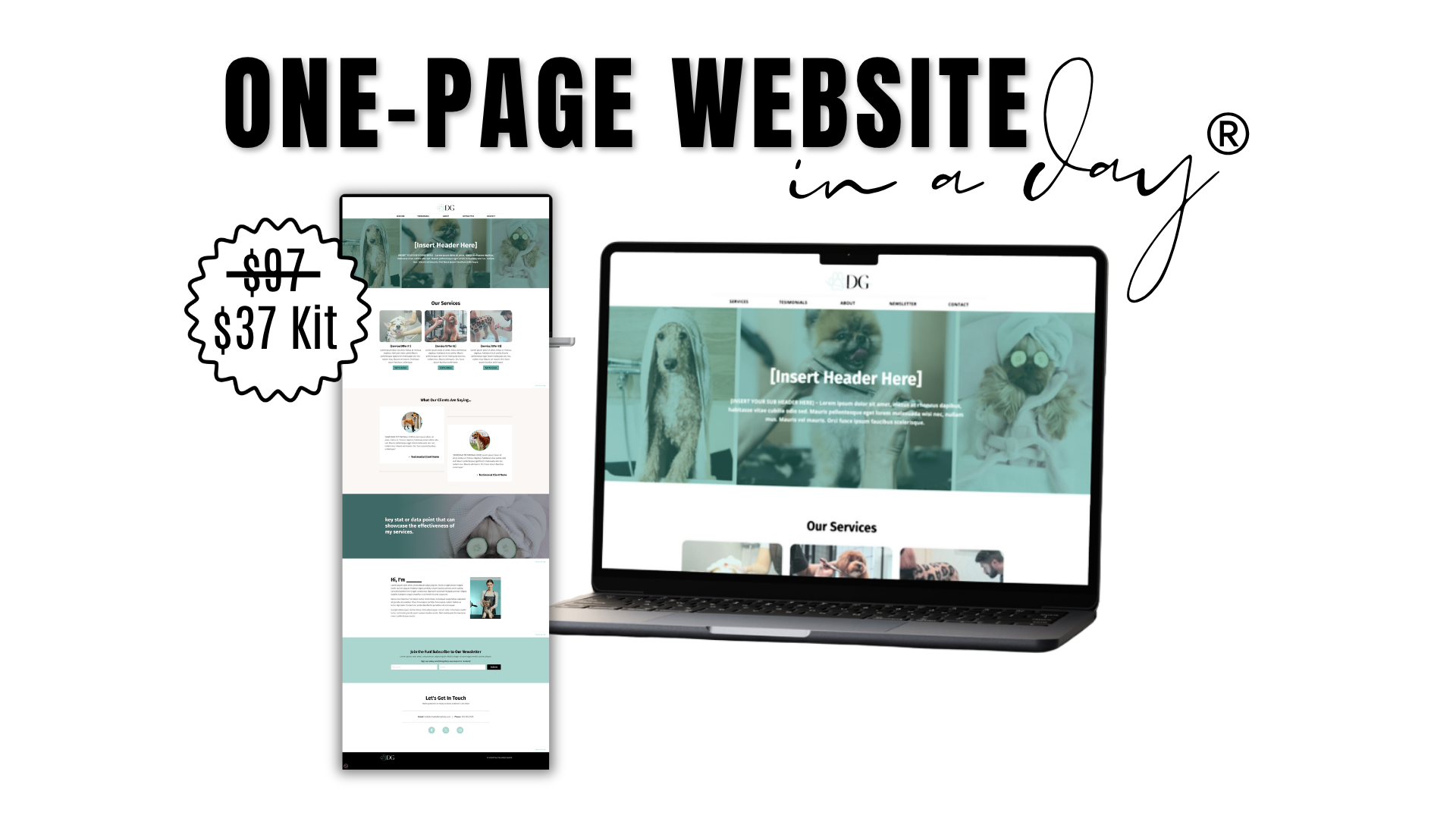
And if your welcome series is doing nothing (or doesn't exist, no judgment, we have all been there), it's the highest-return thing you could fix between now and the end of the year. We have a welcome series template in the shop that walks through exactly what each email needs to do and why, plus a template to show you exactly what to write and give you an example so you have something to model after. Your welcome sequence will help you get more people to open, engage, and even buy from you because it helps you segment the right people into the right place.
Grab the Welcome Series Template here for only $17.
Reminder that sometimes the way you use AI doesn't need to be this epic "I made an app today" task. It can be something very simple, but because it has intention and purpose, it can be the thing that helps you increase your revenue or profit margin.
Krissy

Responses